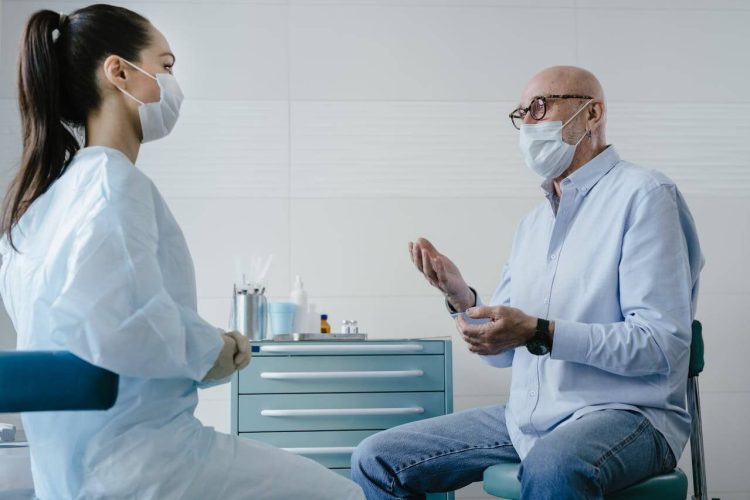
Emergency care in nursing homes
Emergency care in nursing homes is one of the biggest challenges in the organization of long-term care. Most often they occur due to falls, sudden changes in health status or exacerbation of chronic diseases. Understanding their causes is the first step towards safer care and more efficient organisation of medical staff.
Emergency interventions in nursing homes are a daily reality in institutions that care for elderly people. Although many situations seem unpredictable, a large number of interventions develop gradually and are preceded by signs that can be recognized earlier. That is why the modern approach to long-term care increasingly emphasizes prevention, risk assessment and timely response instead of solely reacting after an incident has already occurred.
Falls, worsening of chronic diseases, sudden changes in vital signs or disorientation of users are just some of the reasons why medical staff must act quickly. As the number of elderly people grows and the health care system faces a shortage of Staff, institutions are looking for ways to improve the safety of users without additional burden on employees.
Below we present the most common causes of emergency interventions in nursing homes, their consequences and the ways in which work organisation and digital solutions can help reduce them.
Why emergency care in nursing homes is a growing challenge
Emergency interventions in nursing homes have become increasingly common in recent years due to a combination of demographic changes, more complex user health conditions, and a chronic shortage of healthcare staff. Users today live longer on average, but at the same time more often suffer from more chronic diseases that require continuous health care.
According to the European Commission, by 2050. almost 30% of the population of the European Union will be over the age of 65. At the same time, the need for long-term care is growing, while many European countries are already experiencing a significant shortage of medical staff.
Such trends increase the burden on institutions and require more efficient work organization to ensure the safety of users without additional burden on employees.
The safety of users in long-term care depends on the timely recognition of risks and the prompt response of health care personnel. – OECD
The most common causes of emergency interventions in nursing homes
1. User crashes
Falls are the leading cause of emergency interventions in nursing homes. They most often occur during getting out of bed, going to the bathroom, walking in corridors or when changing the position of the body.
Increased risk:
- reduced mobility
- a weaker balance.
- osteoporosis
- dementia
- neurological diseases
- a greater number of drugs
In addition to fractures and head injuries, the consequences of falls often include loss of independence, prolonged rehabilitation, and an increased risk of re-hospitalization.
2. Exacerbation of chronic diseases
Nursing home users often suffer from heart failure, chronic obstructive pulmonary disease, diabetes or kidney disease. The deterioration of these conditions rarely occurs suddenly. In most cases, it is preceded by symptoms that develop over several hours or days.
Fatigue, shortness of breath, changes in blood pressure or decreased physical activity may be the first signs that additional medical evaluation is needed.
Early recognition of such changes can reduce the need for emergency interventions in nursing homes and allow timely treatment.
3. Sudden changes in vital signs
Changes in heart rate, blood pressure, body temperature, or oxygen saturation may indicate the development of a serious health problem.
In the elderly, symptoms are often not pronounced, which is why the medical condition may go unnoticed between two planned tours.
Timely detection of deviations allows medical staff a faster assessment and prioritisation of intervention.
4. Disorientation and wandering of the user
Users with dementia or other cognitive disorders have an increased risk of disorientation and leaving a safe space.
Such situations may result in falls, injuries or exposure to other hazards, especially if the user leaves the facility unattended.
In addition to the security risk to the user, such situations require immediate reorganization of staff in order for the user to be found and disposed of as soon as possible.
5. Late recognition of health changes
One of the most common reasons for emergency interventions in nursing homes is not just a health problem, but the fact that the change is not recognized early enough.
In larger institutions, health staff care for a large number of users, which is why it is not possible to be present at the same time with all people who need help.
When the first signs of deteriorating health are observed only during the next visit, the possibility of a timely reaction may be significantly lower.
Why the traditional surveillance model has its limitations
The traditional model of care is based on planned visits by users and assessment of health status during regular checks. While such an approach remains the foundation of quality healthcare, situations may arise between the two tours that require a faster response.
That is why more and more institutions are developing proactive models of care in which risk assessment is carried out continuously, and the available resources are directed towards the users who need them most at a certain time.
How to recognize that it is necessary to improve the organization of care
- the fall of the user
- large number emergency interventions between tours
- delay in recognizing worsening health condition
- the constant burden of medical personnel on unplanned situations
- difficult to prioritize interventions
If such situations are repeated regularly, it is worth analyzing the existing processes and considering additional ways of improving user safety.
How digital solutions can help reduce emergency interventions in nursing homes
Digital technology it is becoming more and more supportive of healthcare professionals in the organization of care. Its purpose is not to replace medical staff, but to enable faster identification of potentially risky situations and more effective prioritization.
Wearable devices, notification systems and data viewing platforms can help institutions detect changes in the health status of users earlier and organize timely response by staff.
Read more about this topic in our article Risk management in nursing homes the guide How to manage 50 users with chronic staff shortages.
The World Health Organization's recommendations on the Prevention of falls are available on the WHO official website: Falls-World Health Organization.
How Silver Monitor PRO can help care facilities
In order to respond to the increasingly complex challenges of long-term care, many institutions are introducing digital solutions that complement existing work processes. The goal is not to change the way healthcare professionals provide care, but to give them more timely access to information that can help make decisions.
Silver Monitor PRO it was developed precisely for the needs of professional care providers. The system combines smart wearables and a digital platform that allows institutions to better view users and more efficient organization of everyday work.
Depending on the needs of the institution, the system can help to detect certain changes in health status earlier, inform staff more quickly and prioritize interventions. This allows medical staff to devote more time to users who need help most at the time.
It is important to emphasize that the Silver Monitor PRO is not a medical diagnostic device nor does it replace the expert assessment of doctors or nurses. Its purpose is to provide additional support to institutions in the organization of care and increase the safety of users.
The future of emergency care in nursing homes
The number of elderly people in Europe will continue to grow over the coming decades, and along with it the need for long-term care. At the same time, institutions will face challenges such as lack of health staff, more complex health conditions of users and increasing expectations of families.
In such an environment, the organization of work will become as important as the quality of health care. Institutions that invest in risk assessment, employee education and digital support will be able to respond more effectively to everyday challenges and reduce the number of unnecessary emergency interventions.
The European Commission also underlines the importance of digitising and developing sustainable models of long-term care to better adapt health systems to an ageing population. More information is available on the official website of the European Commission: European Commission-Health and Food Safety.
Want to improve user safety in your institution?
Silver Monitor PRO has been developed for nursing homes, social care institutions and other professional care providers who want to improve work organization and increase user safety through digital technologies.
Frequently asked questions
What are the most common causes of emergency interventions in nursing homes?
The most common causes include user falls, worsening of chronic diseases, sudden changes in vital signs, disorientation of people with dementia, and late recognition of changes in health status.
Are Falls the most common cause of emergency intervention?
Yeah. Falls are among the most common safety incidents in long-term care facilities and can lead to fractures, head injuries, hospitalization and reduced user autonomy.
How can institutions reduce the number of emergency interventions?
The number of emergency interventions can be reduced by regular risk assessment, training of employees, clear protocols of action and the use of digital solutions that enable early identification of potential problems.
Can Digital Solutions replace medical staff?
No. Digital systems serve to support healthcare professionals and help organize work, but they do not replace expert medical assessment or clinical decision-making.
Who is the Silver Monitor PRO?
Silver Monitor PRO is intended for nursing homes, social care institutions, rehabilitation centers and other professional care providers who want to improve the safety of users and the efficiency of work organization.
Conclusion
Emergency care in nursing homes they are most often the result of falls, exacerbation of chronic diseases, sudden changes in health status or late recognition of risk. Although it is not possible to prevent every emergency, a large number of them can be mitigated by better organization of care and timely response of health personnel.
The combination of regular risk assessment, employee education and modern digital tools can contribute to greater security of users and more efficient use of available resources. That is why more and more institutions are moving from a reactive to a proactive model of care in which the emphasis is on prevention rather than just responding after an incident.